Dogs communicate with their whole body. A wagging tail, a head tilt or a sudden burst of zoomies can look simple, but the meaning depends on what the rest of the dog is doing and what is happening around them. Learning to read those clues can help you respond earlier, avoid misunderstandings and build trust. At Petdirect, we get pets, and that starts with listening to the individual dog in front of you.
Quick answer
No single dog behaviour has one fixed meaning. Look at the full picture: body tension, eyes, ears, mouth, tail, movement, surroundings and any recent change from normal. A loose body usually tells a different story from a stiff or frozen one, even when the tail is moving.
Read the whole dog, not one signal
Body language works in clusters. Start with the dog's overall shape and movement, then notice the smaller details. The same action can mean different things in different situations. A dog may lick their lips after a snack, when feeling uncertain or because something is uncomfortable.
Context includes where the dog is, who is nearby, what happened immediately before the behaviour and whether they can move away. Your own dog's usual patterns matter too. A sudden change deserves more attention than a familiar habit.
Loose and comfortable
Soft muscles, curved movement, a relaxed mouth and natural blinking often suggest the dog feels at ease.
Unsure or worried
Turning away, lip licking, yawning, lowering the body, pinning the ears or showing the whites of the eyes can signal discomfort.
Alert or highly aroused
A tall posture, fixed gaze, forward weight, closed mouth or rapid movement may mean the dog is intensely focused or excited.
Needs immediate space
Freezing, hard staring, growling, snapping or repeatedly trying to escape are clear reasons to increase distance and stop the interaction.
Respect the early signals
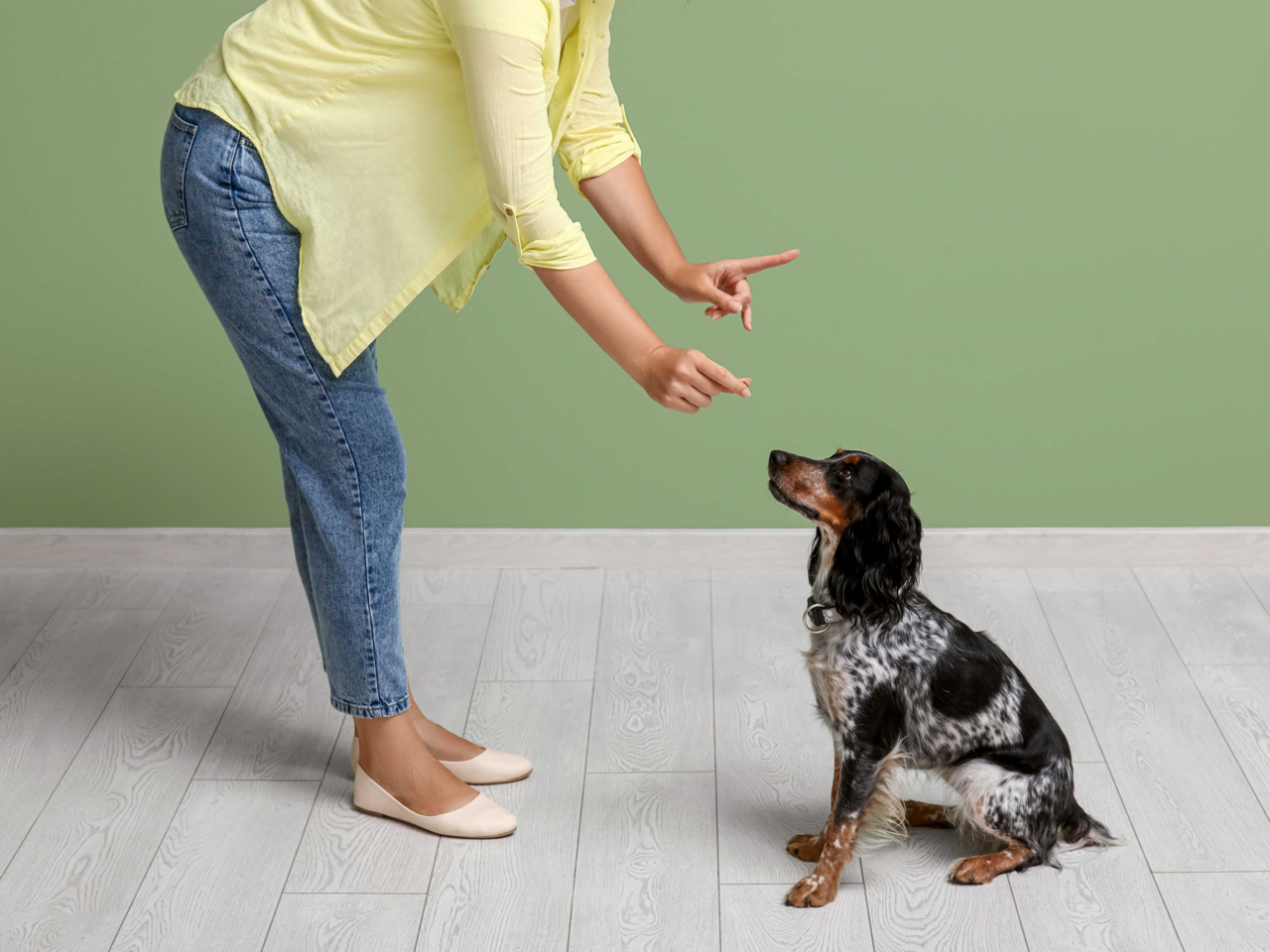
Growling is useful communication, not bad manners. Punishing a warning can suppress the signal without changing how the dog feels. Create space, work out what triggered the discomfort and use safe, reward-based support.
Eight common dog behaviours and what they may mean
1. Tail wagging
A wag means emotional arousal, not automatically happiness. A broad, loose wag paired with a wiggly body may be friendly. A high, fast or tight wag with a stiff body may signal intense excitement or tension. Tail shape also varies by breed and individual, so compare the position with your dog's normal carriage.
2. Head tilting
Dogs may tilt their heads while listening closely, locating a sound or watching your face. Attention from people can also make the behaviour more likely to happen again. An occasional tilt during interaction can be normal; a sudden, persistent tilt, especially with loss of balance or ear discomfort, needs prompt attention.
3. Digging
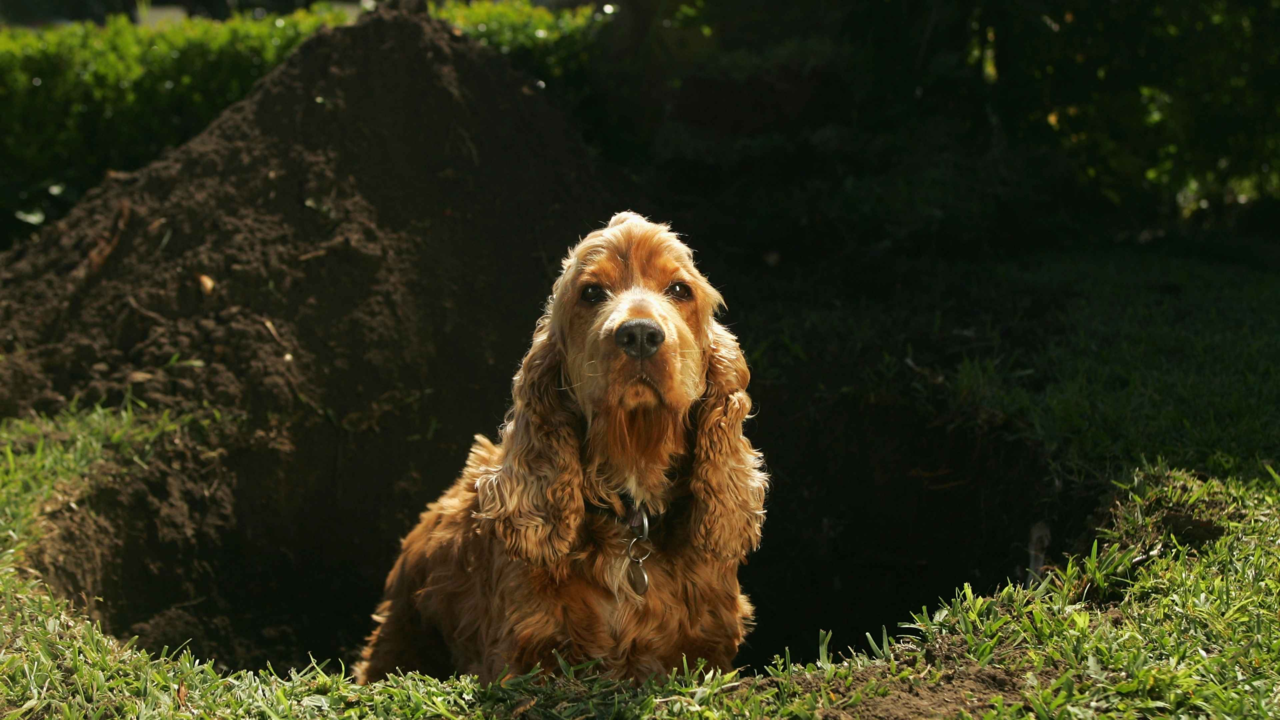
Digging can be driven by scent, prey instincts, temperature, food caching, excess energy or simple enjoyment. Terriers and Dachshunds may be especially enthusiastic, but any dog can dig. Rather than only blocking the behaviour, offer a suitable digging spot, scent game or another outlet while protecting areas that need to stay intact.
4. Circling before lying down
A few turns before settling are often part of a normal comfort routine. Dogs may be checking the surface and arranging their resting spot. Repeated circling, difficulty lying down or frequent getting up can point to discomfort, anxiety or another issue, particularly if the pattern is new.
5. Licking people or themselves
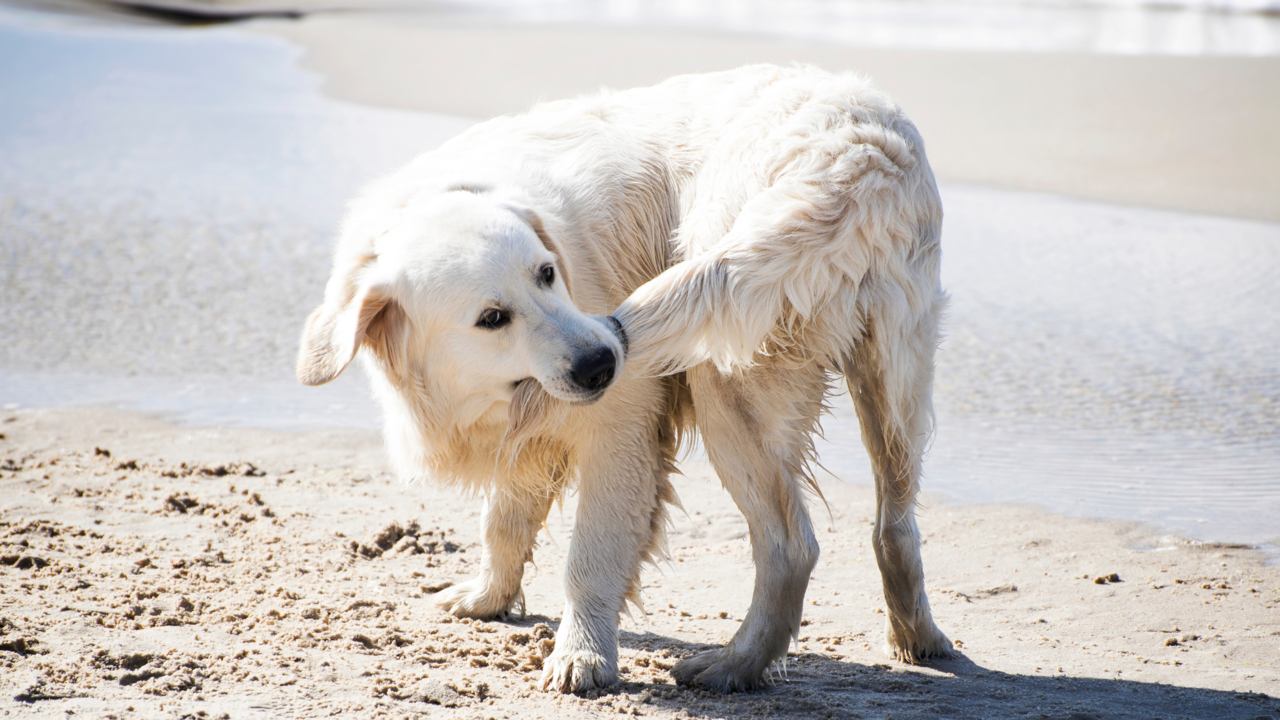
Dogs may lick people to greet, seek attention, investigate taste or show affiliative behaviour. Self-licking can be grooming, but repeated focus on one area may be linked to irritation, pain or stress. Check the skin and paws, note when it happens and interrupt gently rather than scolding.
6. Yawning, lip licking and shaking off
These actions can be ordinary physical behaviours, but they also appear when dogs are processing tension. A dog who yawns and turns away during a hug may be asking for more space. A full-body shake after an intense greeting or handling session can be a transition back towards calm.
7. Zoomies
Short bursts of running and spinning are common, particularly in young dogs. They may release energy after a bath, play session or period of restraint. Give your dog safe footing and room, and move breakable items out of the way. Frequent frantic episodes can be a cue to review sleep, routine and arousal levels.
8. Barking
Barking may alert, request, greet, warn, express frustration or respond to excitement. Listen to the pattern and look for the trigger. A dog barking at the window needs a different plan from a dog barking because they are alone or frightened. Avoid assuming every bark is attention-seeking.
How to respond to a behaviour you want to change
Observe the trigger
Write down what happened before, during and after the behaviour. Patterns often become clearer over several days.
Meet the underlying need
Check whether your dog needs distance, rest, toilet access, suitable exercise, enrichment, social contact or relief from discomfort.
Prevent rehearsal
Use gates, leads, window coverings, quieter routes or more distance to stop the unwanted pattern being practised while you teach an alternative.
Reward the alternative
Reinforce the behaviour you would prefer, such as checking in, settling on a mat, moving away or keeping four paws on the floor.
Keep practice short and manageable. If your dog is too worried or excited to take food, respond to a familiar cue or move with you, the situation may be too difficult. Increase distance and try again at an easier level.
When behaviour may be a health clue
Behaviour and physical wellbeing are closely connected. Pain, itchy skin, ear trouble, digestive discomfort, changes in sight or hearing and other health issues can show up as restlessness, withdrawal, irritability or reduced tolerance.
Contact your local vet promptly if you notice
- a sudden or major change from your dog's normal behaviour
- a persistent head tilt, loss of balance or unusual eye movement
- repeated licking, chewing or scratching that damages the skin
- yelping, limping, difficulty settling or reluctance to move
- new aggression, confusion, collapse or marked withdrawal
- a behaviour change alongside vomiting, diarrhoea or loss of appetite
Supporting calmer everyday routines
Predictability helps many dogs understand what happens next. Regular opportunities to toilet, sniff, rest and spend time with their people can reduce frustration. Enrichment and training tools may support a routine, but they are not a substitute for identifying pain, fear or the trigger behind a behaviour.
Frequently asked questions
Why does my dog follow me everywhere?
Your dog may enjoy your company, expect something rewarding, feel uncertain alone or have learned that following keeps them involved. Look at when it happens and whether they can relax when you are nearby but not interacting.
Why does my dog lean against me?
Leaning can be a request for contact, a comfortable resting position or a way to seek reassurance. Check for a relaxed body and give your dog the option to move away.
Why does my dog stare at me?
They may be waiting for a cue, asking for something, watching your movements or enjoying social contact. A soft gaze is different from a hard, fixed stare with a stiff body.
Is a tired dog always a well-behaved dog?
No. Dogs need suitable exercise, but also mental stimulation, sleep and skills for settling. Too much high-intensity activity can leave some dogs more aroused rather than calmer.
Build trust by listening early
Notice the small signals, create space when your dog asks for it and reward the calm choices you want to see again.
EXPLORE TRAINING AND BEHAVIOUR