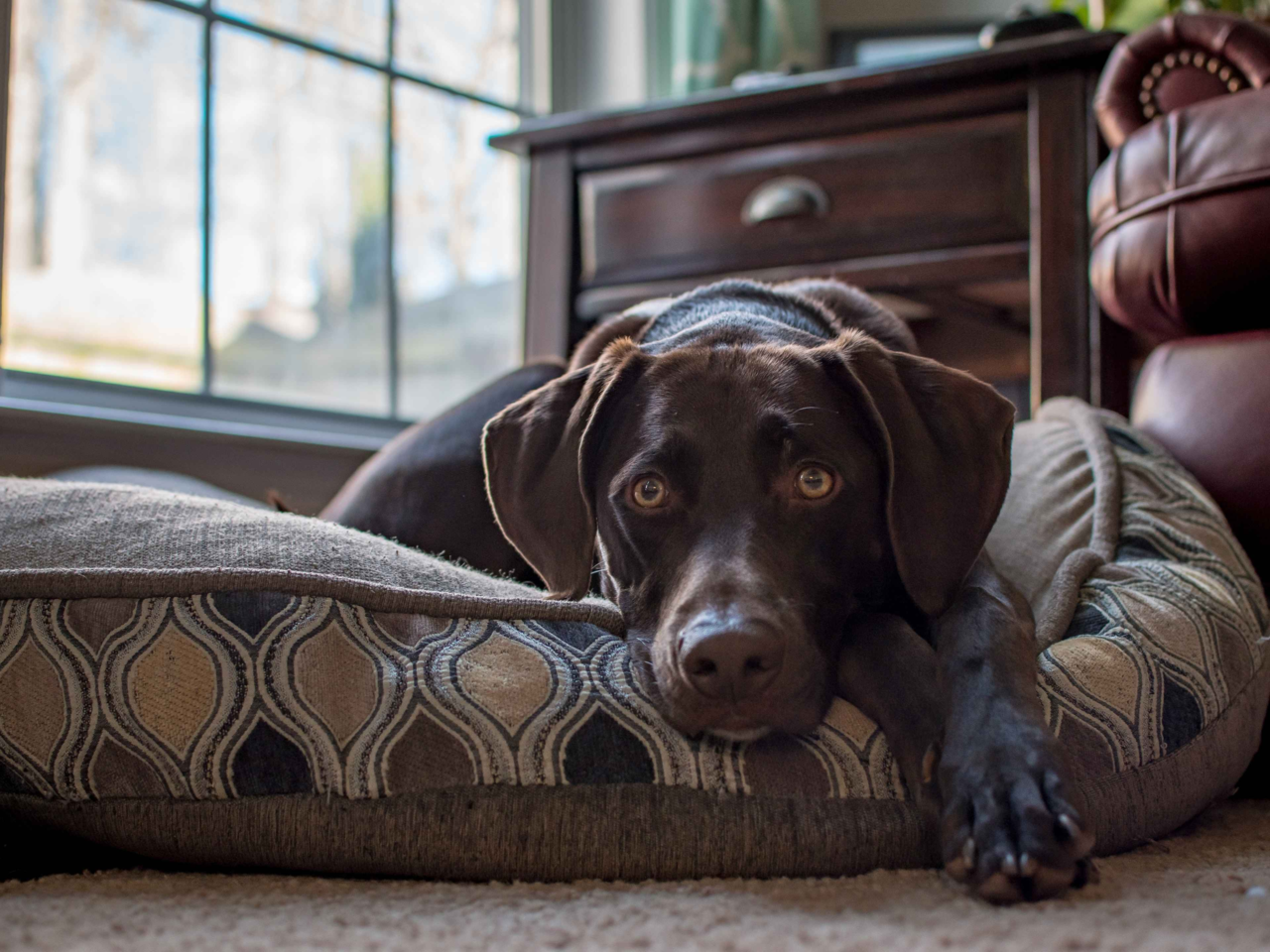
We all know our pets love a good snooze — whether it's your cat curled up in a sunbeam or your dog snoring away after playtime. But if your furry (or feathered) family member starts sleeping more or less than usual, it might be more than just a lazy day. Sometimes, shifts in sleep behaviour can be an early sign of an underlying health issue. At Petdirect, we get pet, and we’re here to help you understand when these changes might mean it’s time to speak to your vet.
What’s Considered Normal Sleep For Pets?
Every pet has its own sleep routine depending on their age, breed, and lifestyle. Puppies and kittens can sleep up to 20 hours a day, while adult dogs and cats generally rest for 12–16 hours. Senior pets might sleep even more as they slow down in their golden years. Birds and small pets tend to have shorter, more frequent rest periods that match their natural behaviour.
Knowing your pet’s usual pattern is key. If they’re suddenly pacing all night or sleeping far more than usual during the day, something could be up. This is why keeping an eye on their routines is such an important part of proactive pet care.
Common Causes Of Sleep Pattern Changes
When your pet’s sleep changes noticeably, it could be related to anything from stress to a health concern. Here are a few possibilities:
- Discomfort or pain – Conditions like arthritis or dental issues may disrupt sleep. You might notice your pet shifting often or choosing unusual spots to lie down. Supportive bedding and supplements for joint care can help.
- Dietary imbalances – A poor-quality or unsuitable diet can affect energy levels and sleep. Ensure your pet is getting complete nutrition through options from trusted brands like Royal Canin or ACANA.
- Age-related changes – Older pets may experience cognitive decline or hormonal shifts that cause restlessness at night and napping during the day. Pet health supplements can help with brain and body support.
- Anxiety or stress – A change in household routine, a new pet, or loud noises can disturb sleep. Try introducing calming aids to help create a soothing environment.
- Medical issues – Sleep disturbances might also point to conditions like diabetes, hyperthyroidism in cats, or infections. If you notice other symptoms like thirst, appetite changes, or vomiting, book in with your vet.
Sleep Changes In Dogs
Dogs are excellent at hiding discomfort. A dog that’s suddenly napping more or waking throughout the night might be dealing with joint pain, a digestive upset, or emotional stress. If your dog seems stiff in the morning or is less keen to go for walks, it may be worth exploring bone and joint supplements or digestive health care.
Some breeds, like Labradors and French Bulldogs, are known snorers — and certain anatomical traits can interfere with sleep. A sudden increase in restless nights, pacing, or couch naps may signal something isn’t quite right.
Sleep Changes In Cats
Cats are naturally skilled nappers, but if your feline friend is suddenly wide-awake at night or too lethargic during the day, it could be a red flag. A sharp sleep shift in your cat may be linked to stress, illness or pain. For example, overactive thyroid (hyperthyroidism), a common condition in senior cats, often causes increased activity and restless behaviour.
If you’re caring for a more mature moggy, exploring cat supplements or cat calming solutions can support both sleep and wellbeing.
When To See Your Vet
If your pet’s sleep changes are ongoing, come with other symptoms, or are significantly out of the norm, it’s best to contact your vet. Symptoms that should prompt a vet visit include:
- Sudden lethargy or extreme sleepiness
- Unexplained waking or inability to settle
- Changes in appetite, thirst, urination or stools
- Restlessness paired with vocalisation or pacing
- Disruption to other regular routines
Your vet can help identify any underlying issues and recommend appropriate care to get your pet feeling their best again.
Keeping track of daily sleep habits can help identify changes early. Pet cameras or smart pet tech may even let you monitor your pet while you’re away.
Helping Your Pet Sleep More Comfortably
Whether your pet is recovering from illness or simply needs a better rest, there are a few easy steps you can take:
- Create a calm, cosy space with supportive bedding and minimal noise
- Stick to consistent feeding and exercise routines
- Use calming supplements or pheromone diffusers during stressful changes
- Ensure access to fresh water with a pet water fountain to stay hydrated
- Offer appropriate nutritional support, especially for senior pets
Your Pet’s Sleep Is Their Superpower
Sleep supports your pet’s health, mood, and happiness — just like it does for us. By keeping an eye on their sleep habits and knowing when something’s amiss, you’ll be in the best position to support them with thoughtful care. Our team at Petdirect is here to help, with top-rated picks, expert advice, and caring support backed by our Pet Perks loyalty programme.
If you’ve noticed changes in your pet’s sleep, explore tools like calming essentials, health supplements and more at Petdirect — NZ’s trusted partner in pet wellbeing.
Because when it comes to your pet's comfort, we get pet.