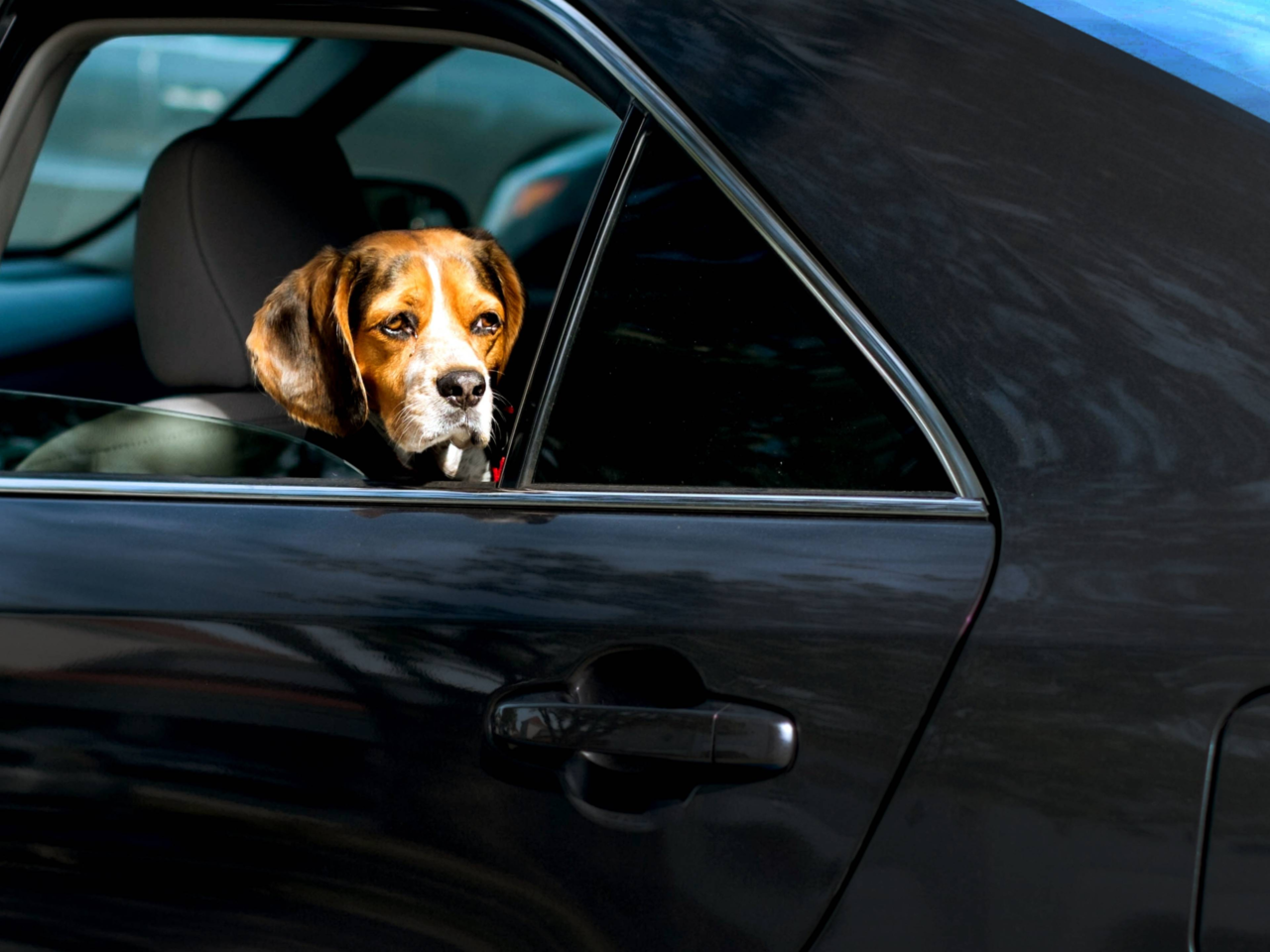
Just like us, our furry friends can suffer from car sickness too – and if you're a pet parent who loves road trips or needs to take your dog regularly in the car, this can be a real tail-twister. Whether it’s a trip to the beach, the vet, or even a weekend getaway, it's important to spot the signs early and know how to help. This guide will explain how to tell if your dog is car sick, why it happens, and what you can do to ease their discomfort so everyone can enjoy the ride.
What Causes Car Sickness In Dogs?
Car sickness in dogs is often linked to the inner ear, which helps with balance. Puppies are especially prone as their inner ears are still developing, but adult dogs can be affected too – especially if they associate the car with something stressful or have had a bad experience, like a scary vet visit or loud road trip. Motion sickness may also be caused by anxiety or unfamiliar smells and sights triggering a sensory overload.
Common causes include:
- Immature vestibular system (in young dogs)
- General travel anxiety
- Stressful associations with car rides
- Inner ear disorders or ear infections
Some breeds, such as Cavalier King Charles Spaniels and Labradors, may be more sensitive due to their temperament or history of anxiety issues.
How To Tell If Your Dog Is Car Sick
Every dog shows car sickness differently, but there are a few paw-sitive giveaways to watch for:
- Whining or pacing before or during car rides
- Excessive drooling or lip licking
- Yawning, listlessness, or uncharacteristic quietness
- Vomiting or dry heaving
- Heavy panting or trembling
- Trying to hide or escape
If your pup is showing any of these signs, especially consistently during car rides, it’s likely they’re feeling queasy in the car.
Tips To Help Your Dog Feel Better While Travelling
Don’t let motion sickness put the kibble on your adventures. Here’s how you can support your dog – from training to travel gear and all the smart solutions in between.
1. Start With Short Trips
Let your dog get used to the car by taking short, positive trips that don’t end at the vet. Gradually increase the duration and always end with a reward, like their favourite treat or a walk at the park.
2. Use Car Restraints or Travel Crates
Keeping your dog secure minimises motion and helps them feel safe. A well-ventilated crate or a dog travel harness can reduce instability, which may ease nausea during the ride.
3. Avoid Feeding Before the Drive
Try not to feed your dog for at least 2 hours before travel. This helps reduce the risk of vomiting. Instead, feed your pup afterward to create a positive post-ride experience.
4. Keep the Car Cool and Well-Ventilated
Fresh air can help settle your dog’s stomach (and mask any unwanted smells). Crack the windows slightly and use air conditioning if needed – overheating can make nausea worse.
5. Try Natural Calming Solutions
For dogs who seem more anxious than nauseous, calming aids like natural supplements, Thundershirts, or pheromone sprays may make a difference. Always follow the instructions for any calming product and talk to your vet if you're unsure what's best.
6. Offer Distractions
Sometimes a favourite plush toy or chew can take their mind off the movement. Just make sure they're safely restrained so nothing becomes a choking hazard if nausea sets in.
When To See Your Vet About Car Sickness
If your pup still struggles on the road despite your best efforts, it’s a good idea to chat with your vet. They can rule out any underlying medical issues and may suggest medications or discuss travel-specific behaviour strategies.
Always choose dog-safe remedies and avoid giving human travel sickness tablets to your dog without talking to a professional. At Petdirect, We Get Pet – and we know there's no one-size-fits-all solution.
Your Go-To Gear For Dog-Friendly Travel
Need help assembling the ultimate travel set-up for your pup? Head over to our dog travel collection for everything from car seat covers to portable water bottles and bowls. Being prepared can help your pup feel safer – and the less stress, the more tail wags.
Helping Your Dog Love The Road
Car sickness might not sound serious, but it can definitely put the brakes on your dog’s enjoyment (and yours too). Whether it’s a short dash to the dairy or a cross-country roadie, every dog deserves a stress-free ride. By understanding what causes motion sickness, spotting the signs early, and using the right tools and techniques, you can help make car travel more comfortable for your four-legged pal.
Explore our full range of calming essentials and travel must-haves to help your dog feel their best on the go.