Dog Breed
Soft-Coated Wheaten Terrier
Friendliness
Exercise Needs
Health Issues
Barking Tendencies
Grooming Needs
Shedding Level
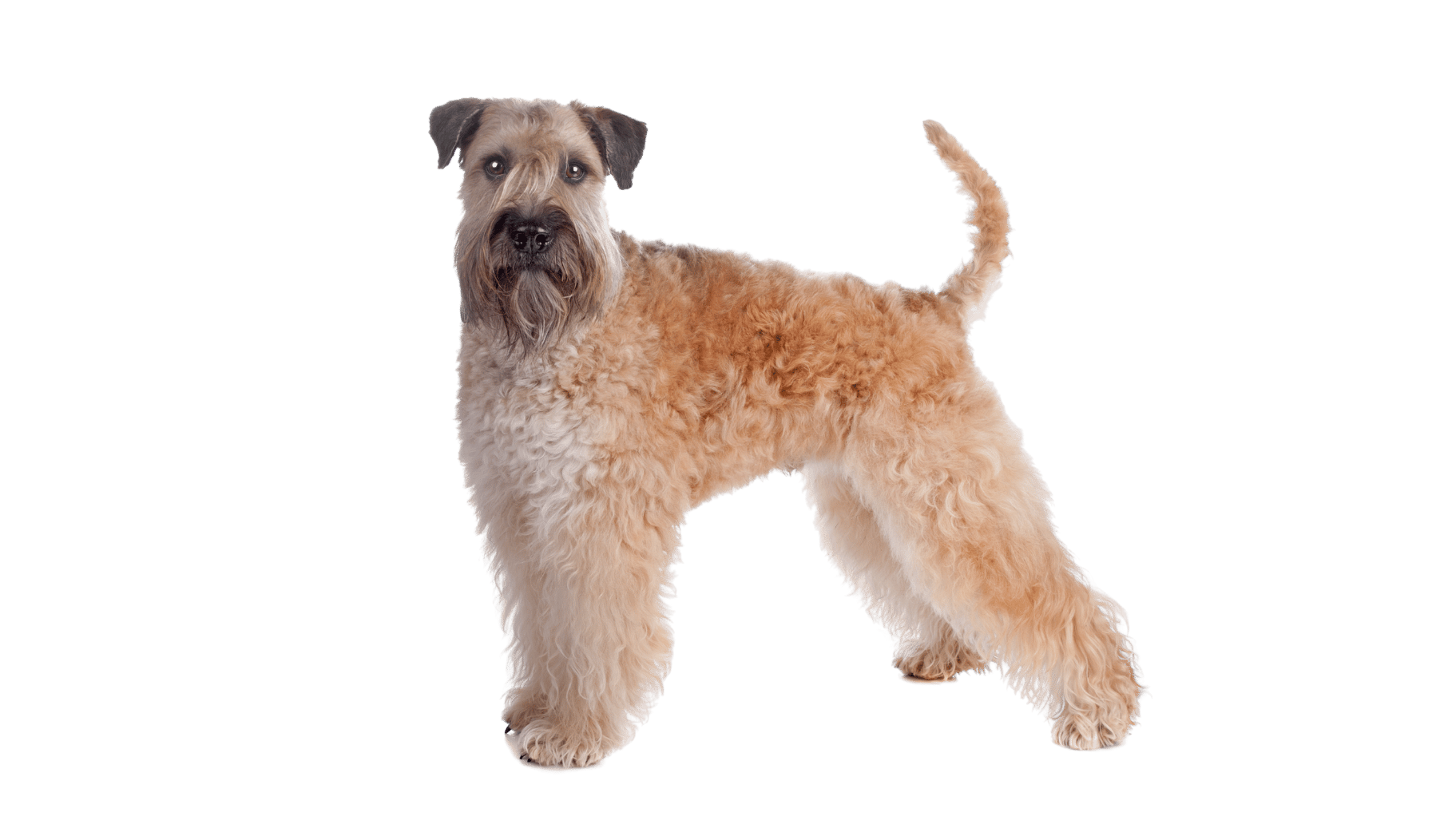
Happy-go-lucky
Friendly, playful and full of enthusiasm, Soft-Coated Wheaten Terriers have all the fun of a terrier with a softer side. They’re known for their happy nature and enthusiastic greetings, often jumping up to welcome their favourite people.
Wheatens form strong bonds with their families and love being involved in everyday life. They’re energetic and independent but also affectionate and people-oriented, making them happiest in homes where they get plenty of companionship.
Caring for your Soft-Coated Wheaten Terrier
Nutrition
Choosing the right food
Every dog is unique. From small companions to large, active breeds with different nutritional needs. ROYAL CANIN® Size Health Nutrition is designed to support dogs based on their size and life stage, helping maintain overall health, vitality and wellbeing. These formulas use carefully selected protein sources, targeted nutrients and tailored kibble to support digestion, energy levels, and bone and joint health across small, medium and large dogs.
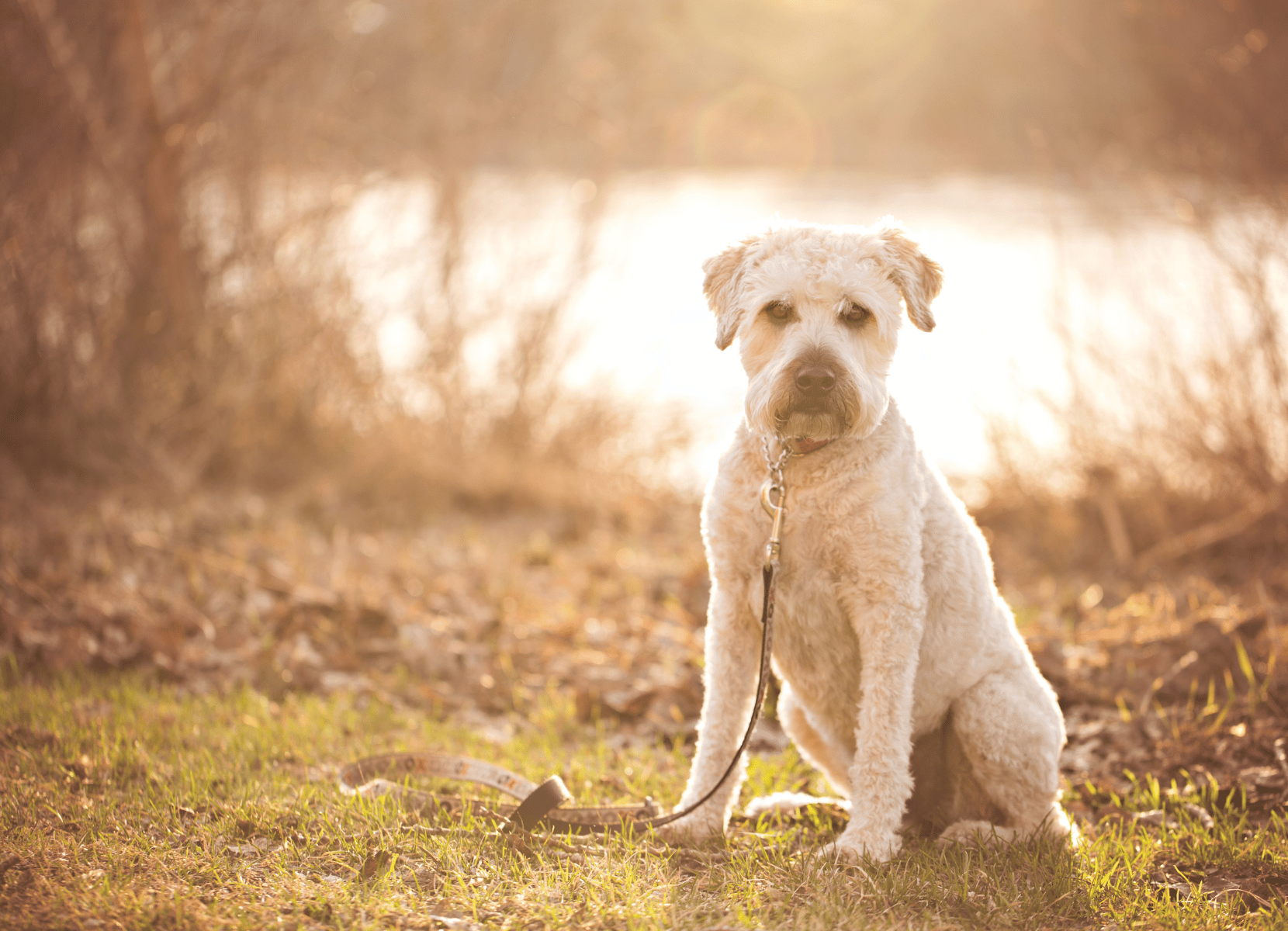
Exercising your dog
Soft-Coated Wheaten Terriers have medium to high energy levels and need plenty of daily exercise to stay happy and healthy. Expect to give them around an hour of activity each day.
Break this up into walks and playtime, including games like fetch. Wheatens bond strongly with their people, so they’ll often be happiest exercising alongside you rather than entertaining themselves.
Their strong prey drive means they may chase smaller animals when given the opportunity. Keep them on a lead when out walking and only let them off-lead in a securely fenced area.
Wheatens also enjoy dog sports, particularly agility, so activities that combine exercise with time together can be a great way to keep them busy.
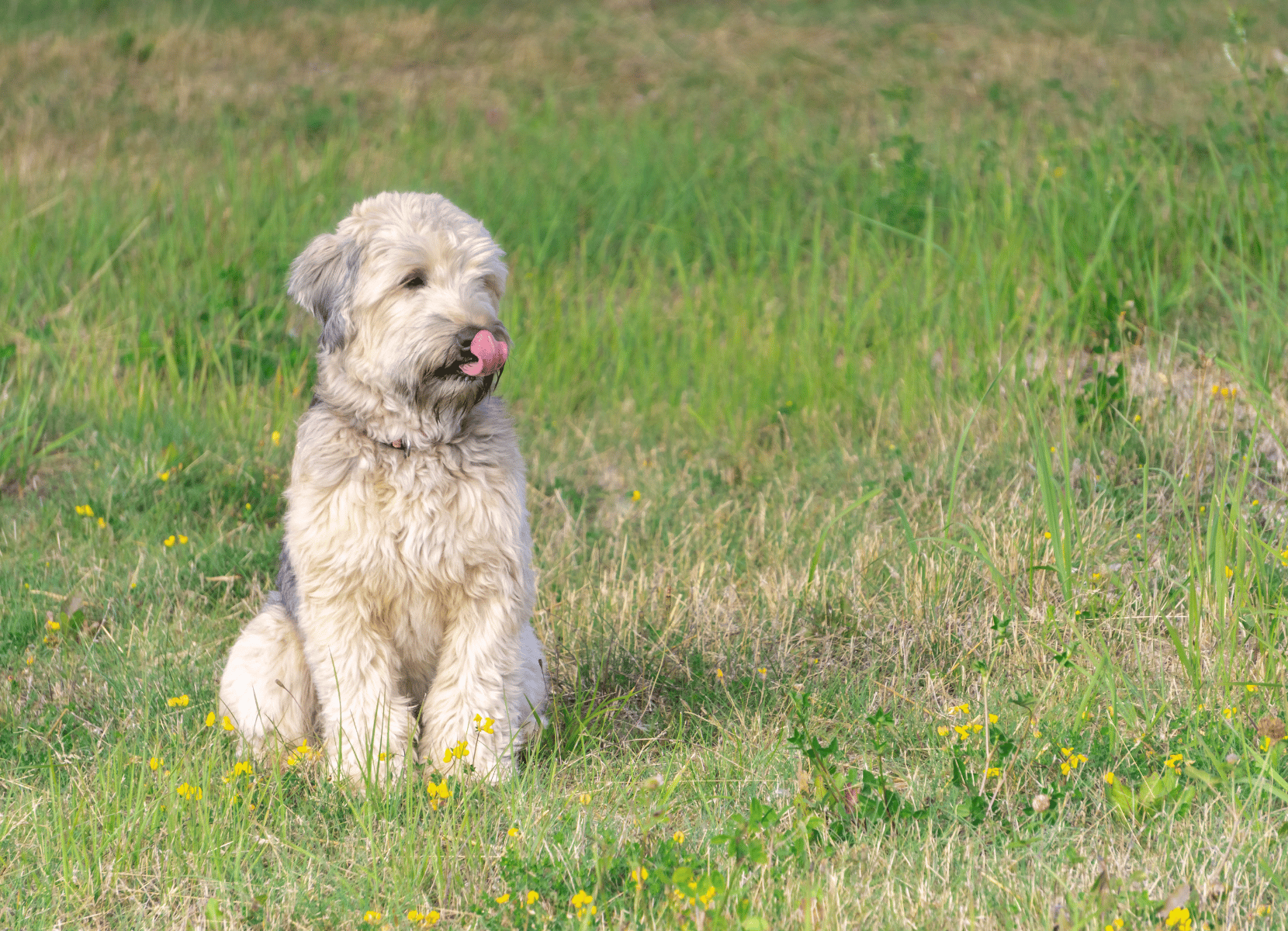
Training your Soft-Coated Wheaten Terrier
Soft-Coated Wheaten Terriers are smart and independent, and their background as solo hunters can sometimes make training a little challenging. Starting obedience training while they’re still a puppy helps establish good habits early.
Teach basic commands like sit, stay and drop using consistent, patient training. Positive reinforcement with treats, praise and play helps keep training rewarding and engaging.
Early socialisation is important too. Introducing your Wheaten to different people, sights, sounds and experiences while they’re young can help them grow into a confident, well-mannered dog.
Puppy school and ongoing training can be particularly useful for building their social skills and giving their intelligent minds something to focus on.
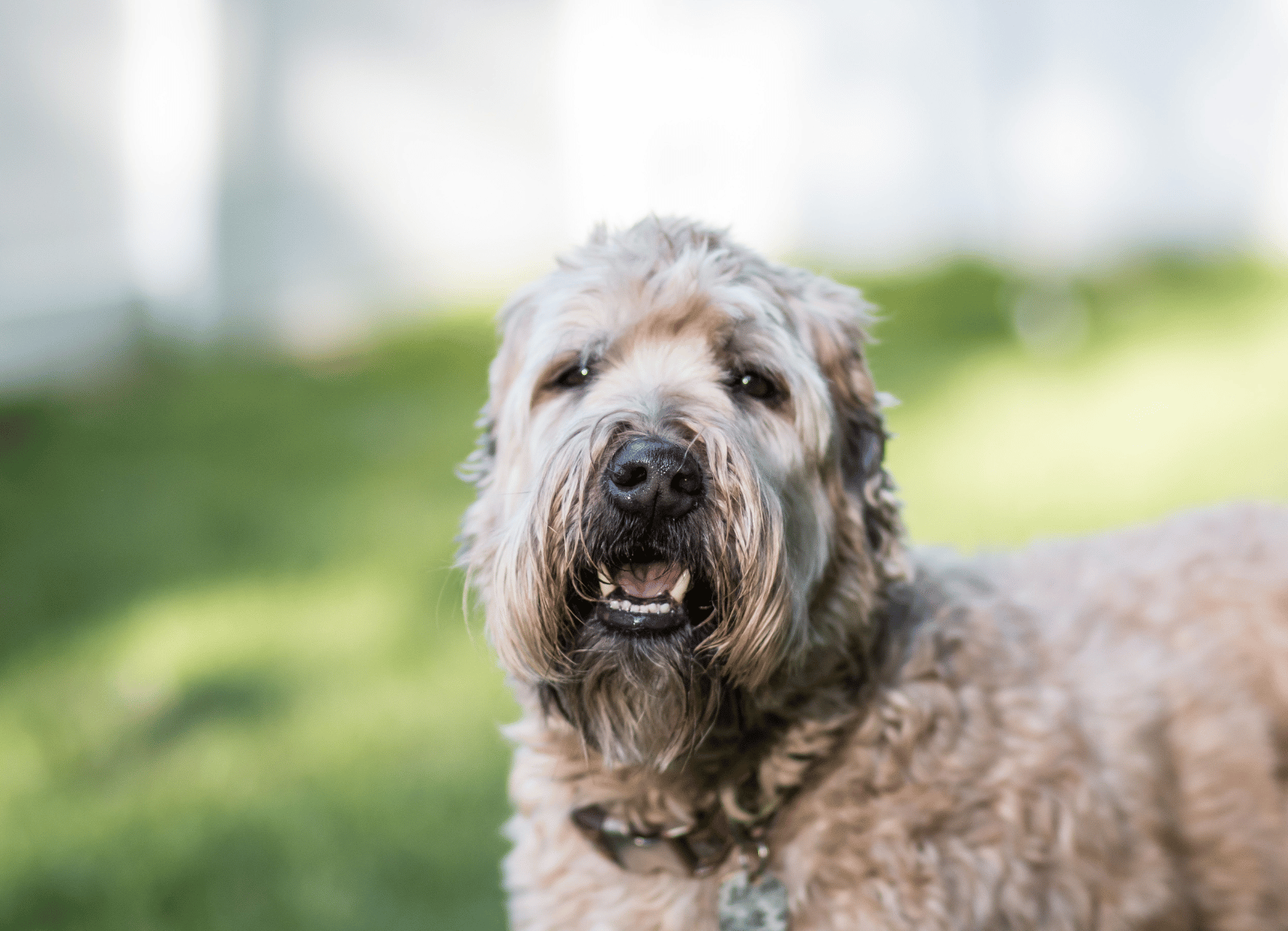
Your dog's health
By recognising health problems in Soft-Coated Wheaten Terriers early you can seek advice and treatment from a veterinarian.
Reduce the risk of health problems by purchasing a puppy from a responsible breeder. Always inspect breeding facilities and breeding dogs, and never buy from a distant online seller.
Health Issues to watch out for:
Protein-losing nephropathy (PLN)
Protein-losing enteropathy (PLE)
Addison’s disease
Renal dysplasia
Grooming your dog
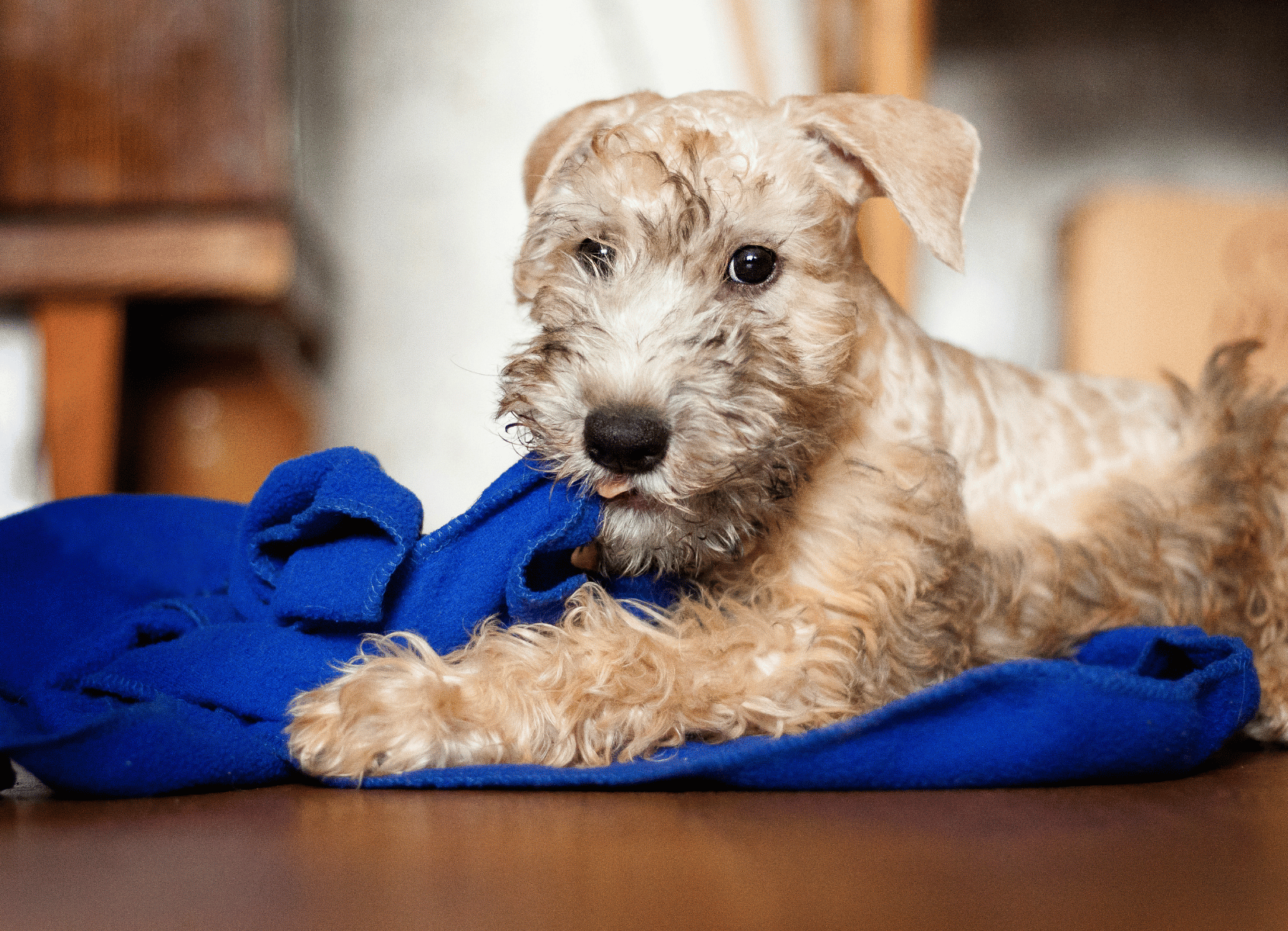
Soft-Coated Wheaten Terriers have a soft, silky coat that needs regular grooming to prevent knots and mats. Daily brushing or combing helps keep their coat tangle-free and in good condition.
Use a brush to remove dirt and loose hair, followed by a comb to gently work through any knots. Wheatens should generally be trimmed rather than having their coat stripped.
Bathing every four to six weeks helps keep their coat clean and manageable. Regular professional grooming can also help maintain their distinctive Wheaten coat.
Their nails should be trimmed regularly, and daily teeth brushing helps support good dental health.
Key characteristics of Soft-Coated Wheaten Terriers


Soft-Coated Wheaten Terrier FAQs
Soft-Coated Wheaten Terrier FAQs answer common questions not covered above, including their size, family compatibility, shedding and everyday life with the breed. Find out whether a Soft-Coated Wheaten Terrier could be the right fit for your household.
Are Soft-Coated Wheaten Terriers hypoallergenic?
No dog is completely hypoallergenic, but Soft-Coated Wheaten Terriers are often considered a lower-shedding breed. Their single coat sheds relatively little, but people with dog allergies can still react to dander, saliva and other allergens.
Are Soft-Coated Wheaten Terriers good for first-time dog owners?
Soft-Coated Wheaten Terriers can suit first-time owners who are prepared for an energetic, independent dog. Their regular grooming, training and activity needs mean they require a consistent commitment from their owners.
Are Soft-Coated Wheaten Terriers good with children?
Soft-Coated Wheaten Terriers can be affectionate and playful family dogs. Their energetic and enthusiastic nature may be a lot for very young children, so interactions should always be supervised.
Can Soft-Coated Wheaten Terriers live with cats?
Some Soft-Coated Wheaten Terriers can live successfully with cats, particularly when raised with them from a young age. Their terrier prey drive means introductions should be gradual and interactions with smaller animals carefully managed.
Can Soft-Coated Wheaten Terriers live in apartments?
Soft-Coated Wheaten Terriers can adapt to apartment living if they receive enough daily exercise, mental stimulation and attention. Their energy and enthusiasm mean they still need plenty of opportunities to get outside and stay active.
For households ready for their energy, grooming needs and enthusiastic personality, a Soft-Coated Wheaten Terrier can be an affectionate and fun-loving companion.