
Puppies live at 100 miles an hour, then crash out for a well-earned rest. If your pup loses interest in a toy within minutes, it usually is not that they dislike playing. It is far more likely they have not been offered the right kind of toy for what they need right now.
There are so many dog toys on the market that it can be hard to know where to start. Some genuinely earn their place though. This guide walks through five types of puppy toy worth having in the basket, why each one works, and a few tried-and-tested picks for each.
Quick answer
Most puppies do best with a small rotation covering five jobs: chew toys to soothe teething gums, fetch and squeaky toys to burn energy, rope and tug toys for interactive play with you, treat-dispensing toys to slow fast eaters and beat boredom, and puzzle or snuffle toys for brain games. Match the toy to your pup's size and chewing style, supervise play, and swap out anything that starts to break apart.
How to match toys to your puppy
Before you shop, it helps to think about what your puppy actually needs from play. A teething pup wants something to gnaw. A bouncy, over-tired pup often needs a calm chew to settle rather than another round of fetch. Our Petdirect Puppy Guide breaks the early months into stages, and the same thinking applies to toys.
Teething relief
From around 12 to 16 weeks, sore gums drive a lot of chewing. Soft, textured chew toys give them a safe outlet. Popping one in the fridge first can help soothe tender gums.
Burning energy
Fetch, squeaky and tug toys help a high-energy pup let off steam and build a bond with you at the same time. Keep sessions short and end on a win.
Settling down
A long-lasting chew or a stuffed treat toy is one of the best ways to help an over-tired puppy wind down in the evening, rather than tipping into the zoomies.
Staying safe
Choose the right size for your pup and avoid anything that can splinter or be chewed into pieces. Supervise play and retire toys once they start to wear.
1. Chew toys for teething relief
Teething is uncomfortable, and a puppy with sore gums will chew something, so it may as well be a toy rather than your shoes. Purpose-made puppy chews are softer than adult versions and gentle on new teeth. A Nylabone puppy chew or a KONG Puppy are two easy starting points, and both can be chilled to soothe gums.
2. Fetch and squeaky toys to burn energy
Puppies need to move, and a good fetch or squeaky toy turns that energy into a game you play together. Tough rubber balls and classic bounce toys stand up to enthusiastic mouths far better than cheap novelty toys, so they last longer too.
3. Rope and tug toys for interactive play
Tug is a brilliant way to bond with your pup and teach gentle rules like "take" and "drop". A woven rope toy also doubles as a light dental workout as the fibres work between the teeth. Keep tug games calm and let your puppy win sometimes to keep it fun.
4. Treat-dispensing toys to beat boredom
Treat toys make your pup work a little for their food, which slows down fast eaters and turns a quiet moment into an activity. Stuff one with part of their dinner or a little wet food and freeze it for a longer-lasting reward. These are also great for settling a puppy while you get on with your day.
5. Puzzle and snuffle toys for brain games
Mental work tires a puppy out as much as a walk, and a bored pup is often a mischievous one. Puzzle feeders and snuffle mats from brands like Nina Ottosson and West Paw hide food for your pup to find, building focus and confidence. Start on the easiest setting and build up as they get the hang of it.
Just brought a puppy home?
Toys are one small part of settling a new pup. Our Petdirect Puppy Guide covers feeding, teething, training and the first months in one place, and the puppy training essentials collection pulls together the gear that goes with it.
A few safety basics
Size it up
Pick a toy your puppy cannot fit fully in their mouth. When in doubt, size up rather than down.
Supervise play
Stay nearby with chews and stuffed toys, especially while your pup is learning what to do with them.
Retire worn toys
Swap out any toy that starts to split, fray heavily or lose small parts before it becomes a hazard.
Rotate the basket
Keep a handful out and put the rest away. Rotating toys every few days keeps them feeling new.
Frequently asked questions
How many toys does a puppy need?
A small rotation of five or six covering chewing, fetch, tug, treat-dispensing and puzzles is plenty. Rotating them keeps things interesting without cluttering the house.
What toys are best for a teething puppy?
Soft, textured puppy chews designed for young teeth are ideal. Chilling them in the fridge first can help soothe sore gums during the teething stage.
Are rope toys safe for puppies?
Rope toys are great for supervised tug and light dental work. Keep an eye on them and take the toy away if your pup starts pulling out and swallowing long strands.
How do I stop my puppy chewing furniture?
Give them a better option. Keep appropriate chew toys within easy reach, redirect them onto a toy when they target furniture, and reward them for using it.
Do puzzle toys really help?
Yes. A few minutes of sniffing and problem solving tires a puppy out and builds focus, which can take the edge off boredom-driven behaviour like chewing and barking.
Can I leave my puppy alone with a toy?
Durable treat toys with no small removable parts are usually fine for short, settled stretches. Chews, plush and rope toys are best kept for times you can supervise.
Stock the toy basket
Browse the full range of puppy-friendly toys and build a rotation that keeps your pup busy, settled and out of mischief. Join Pet Perks for free to unlock exclusive benefits.
SHOP PUPPY TOYSRelated reading
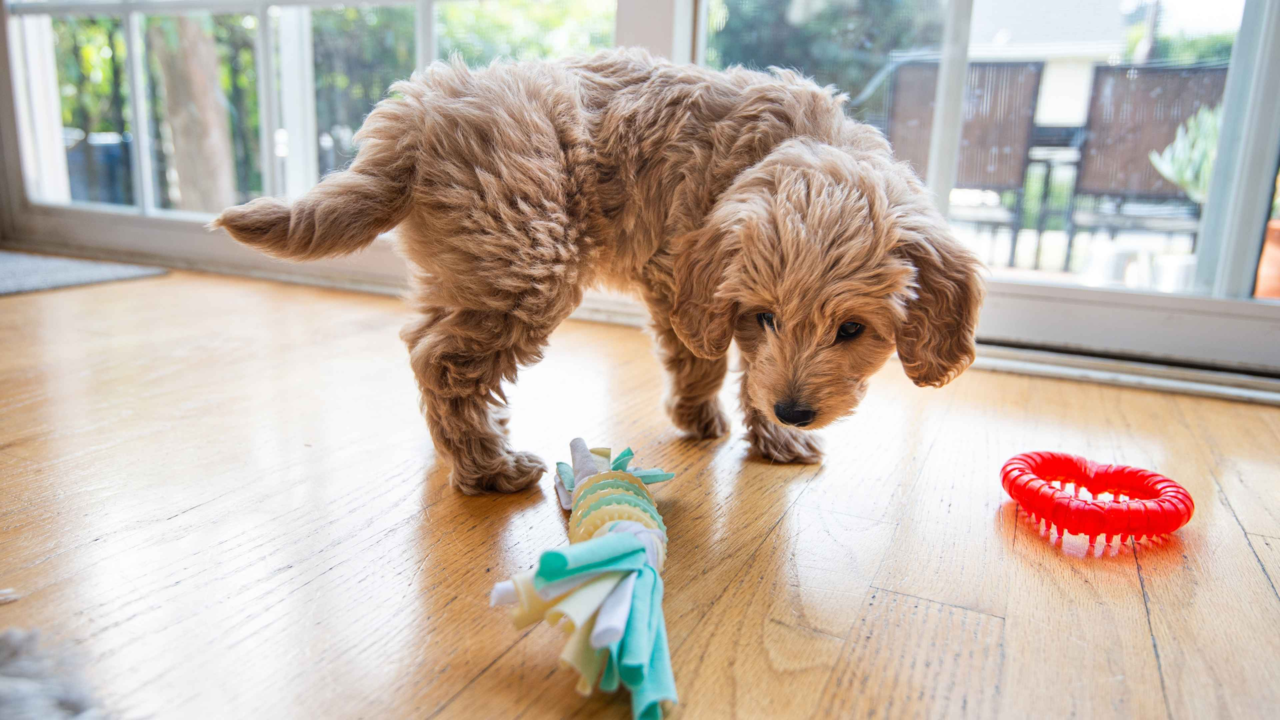
Top Puppy Enrichment Toys for Learning, Teething and Playtime
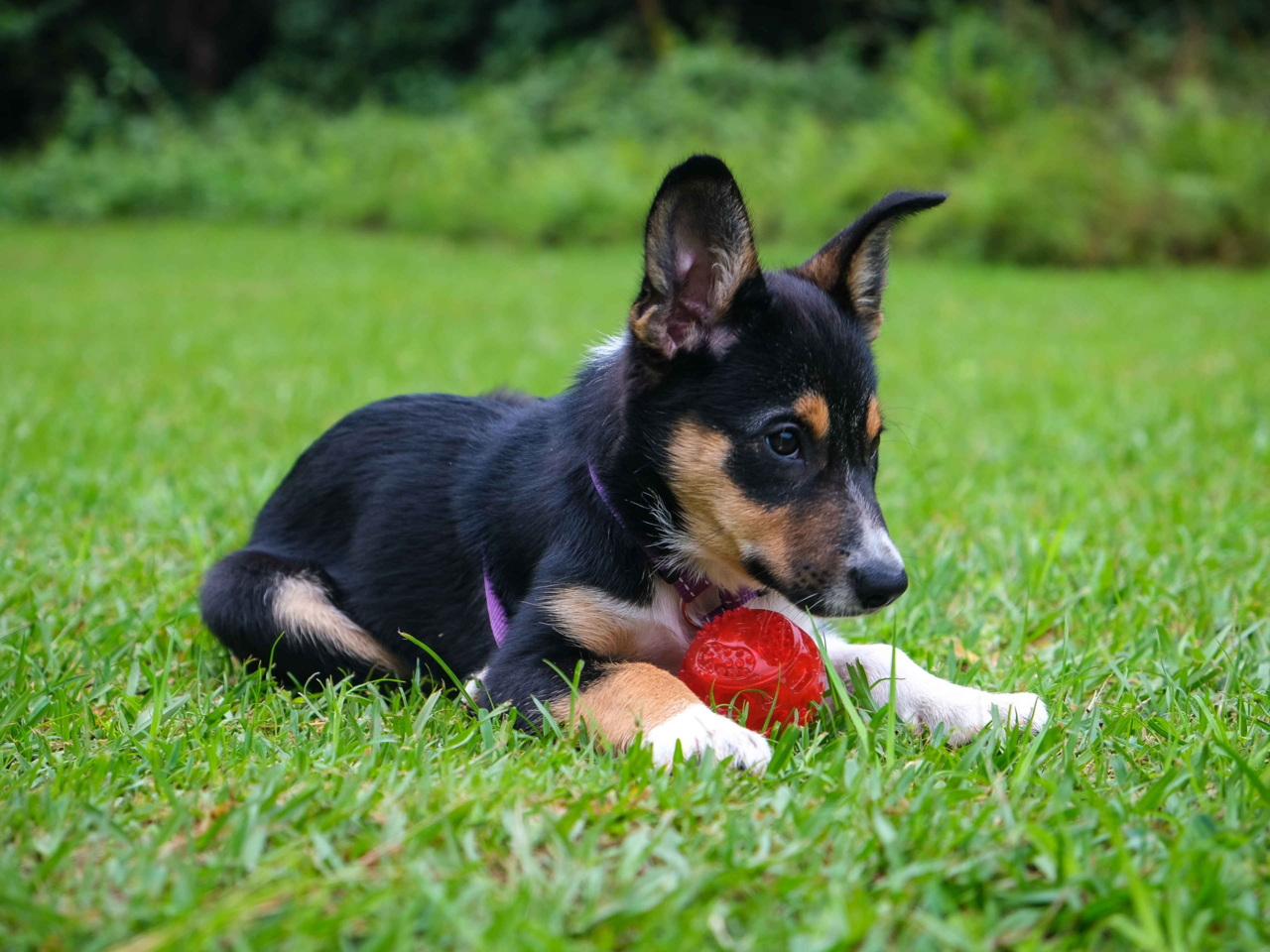
Best Puppy Teething Toys in NZ: Safe, Fun and Soothing Picks
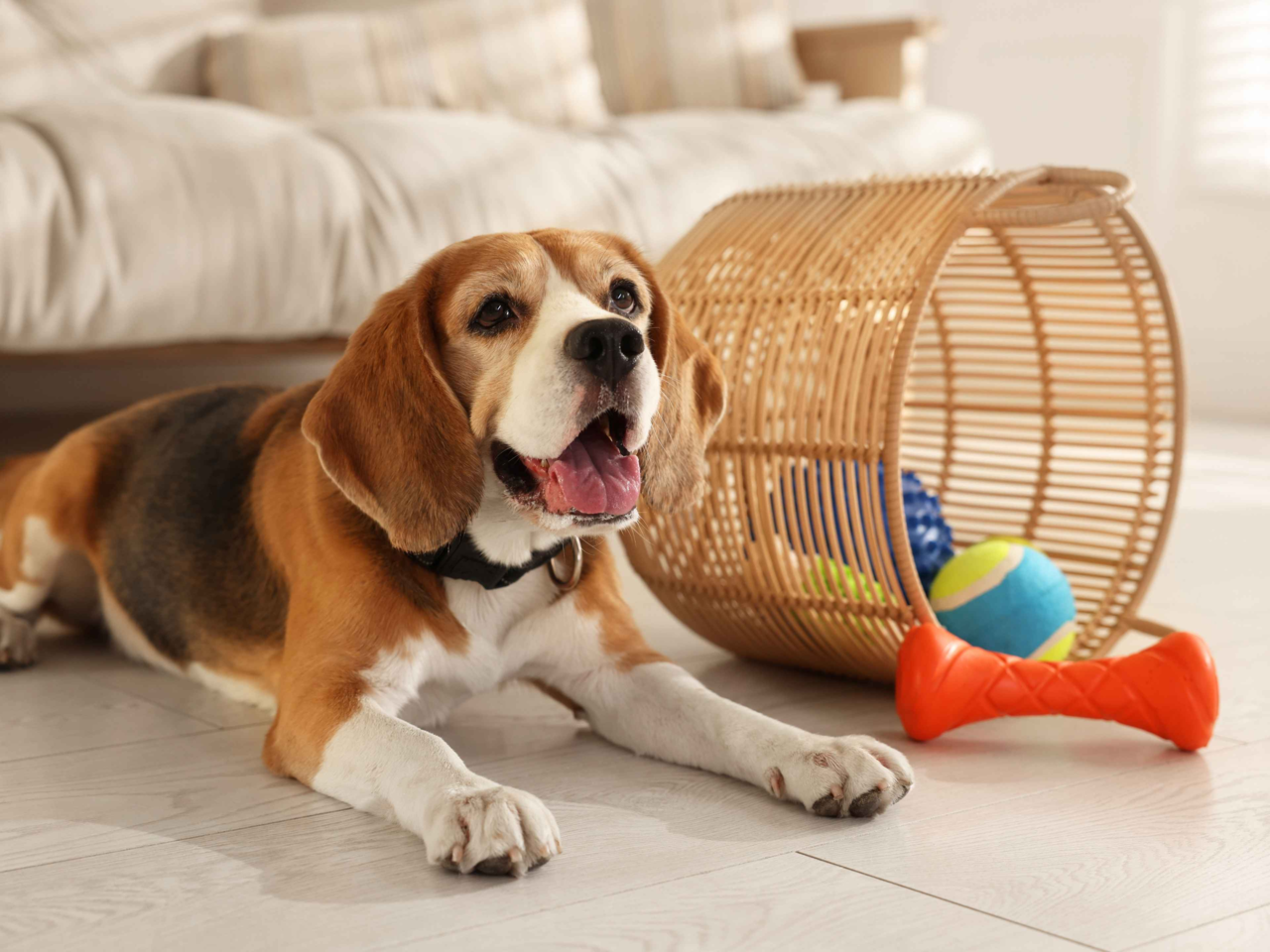
How to Choose the Perfect Chew Toy for Your Dog's Size
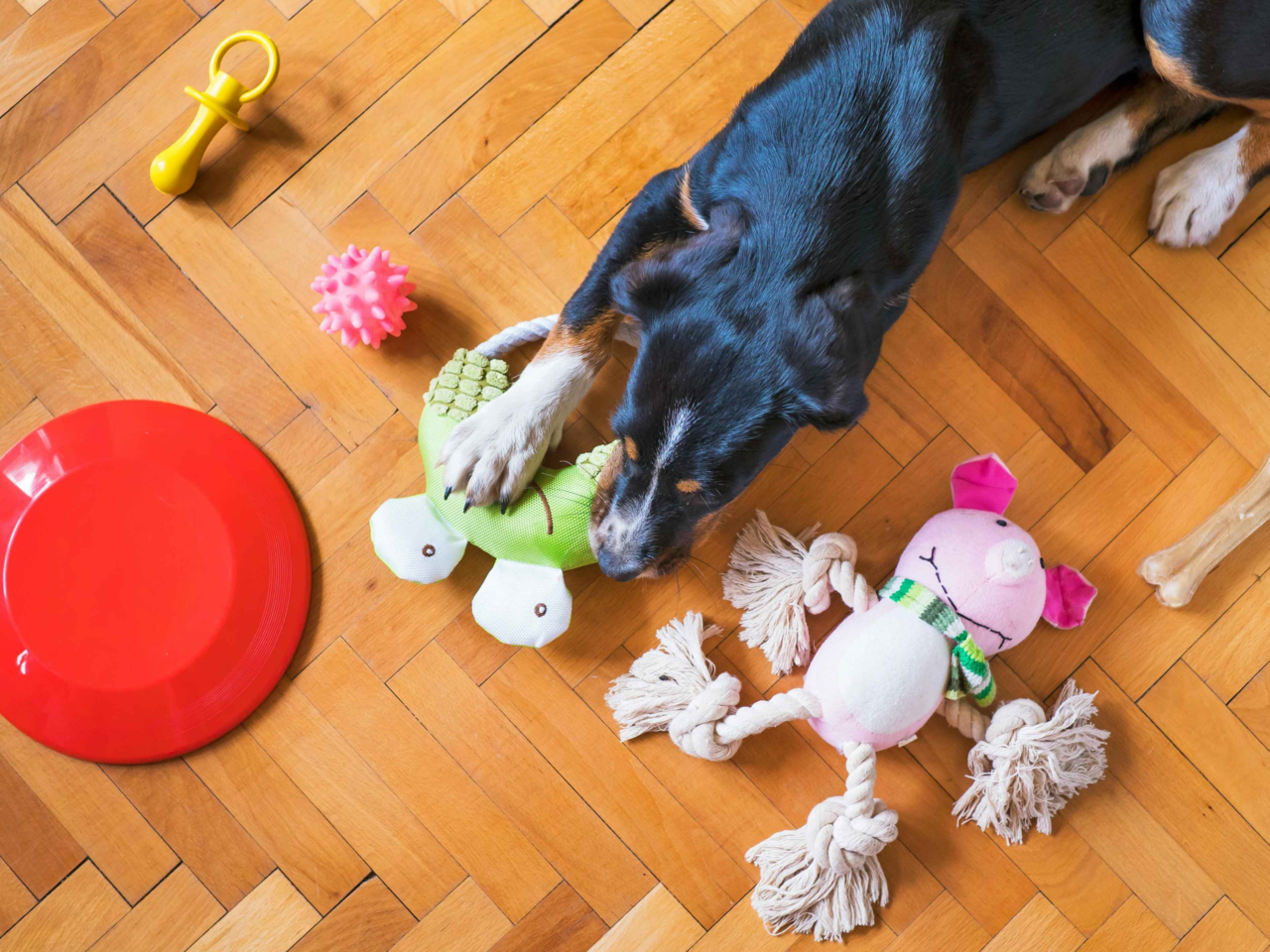
Heavy Chewer Toy Guide: Strength, Size and Shape
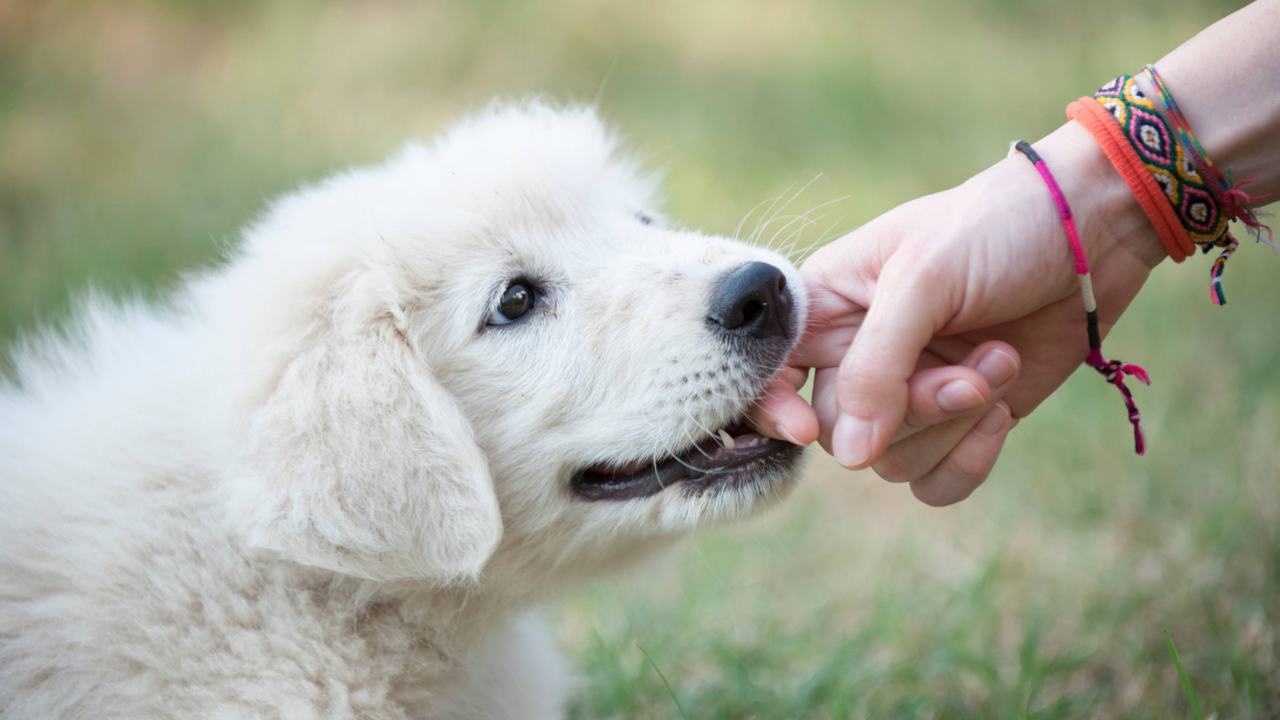
How to Stop Your Puppy Biting: Easy NZ Training Tips
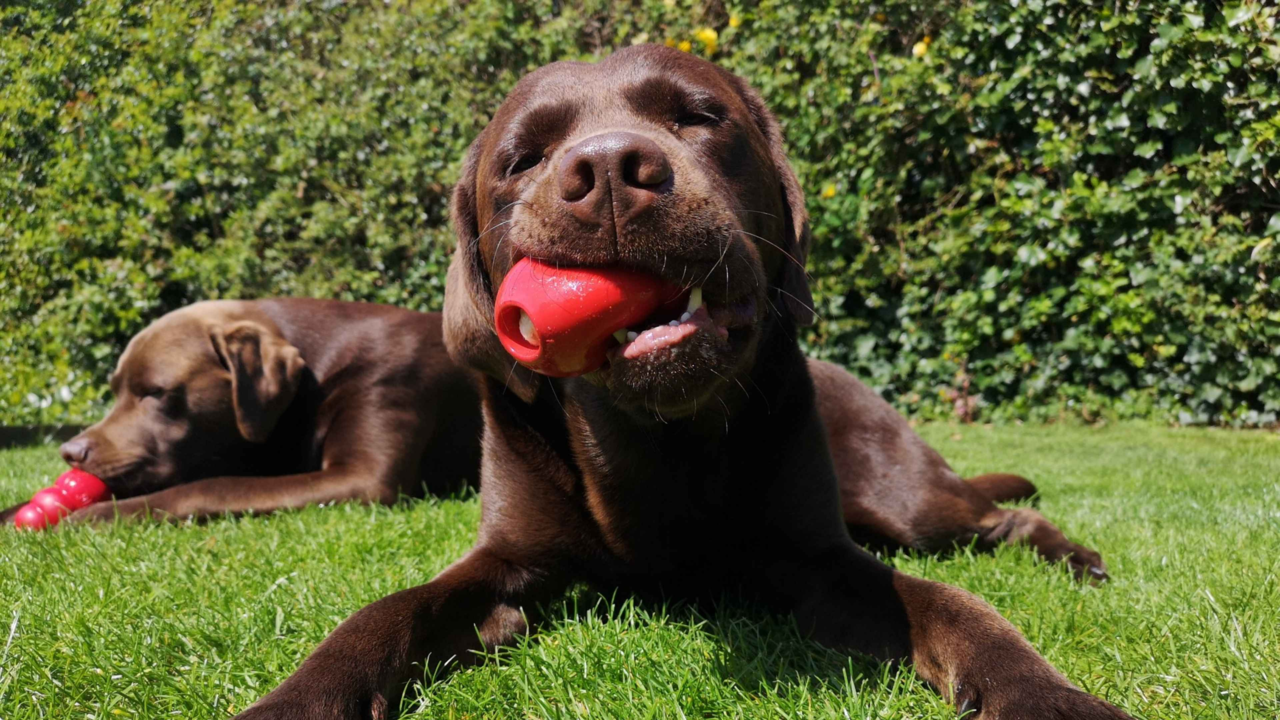
Dog Enrichment Ideas: Build a Daily Routine Your Pup Will Love